
Stiffness that fades within ten minutes of getting out of bed is typically benign. Stiffness that requires a hot shower, ibuprofen, or thirty minutes of stretching to resolve is your body asking for attention. Knowing the difference matters.
The four most common drivers we screen for
- Sleeping position - stomach sleepers and pillow-stack sleepers see the most cervical complaints.
- Dehydration - connective tissue loses elasticity overnight when fluid intake is low.
- Inflammatory load - diet, stress, and unresolved injuries leave joints primed for stiffness.
- Underlying joint dysfunction - restricted segments stiffen up faster than healthy ones.
How chiropractic helps
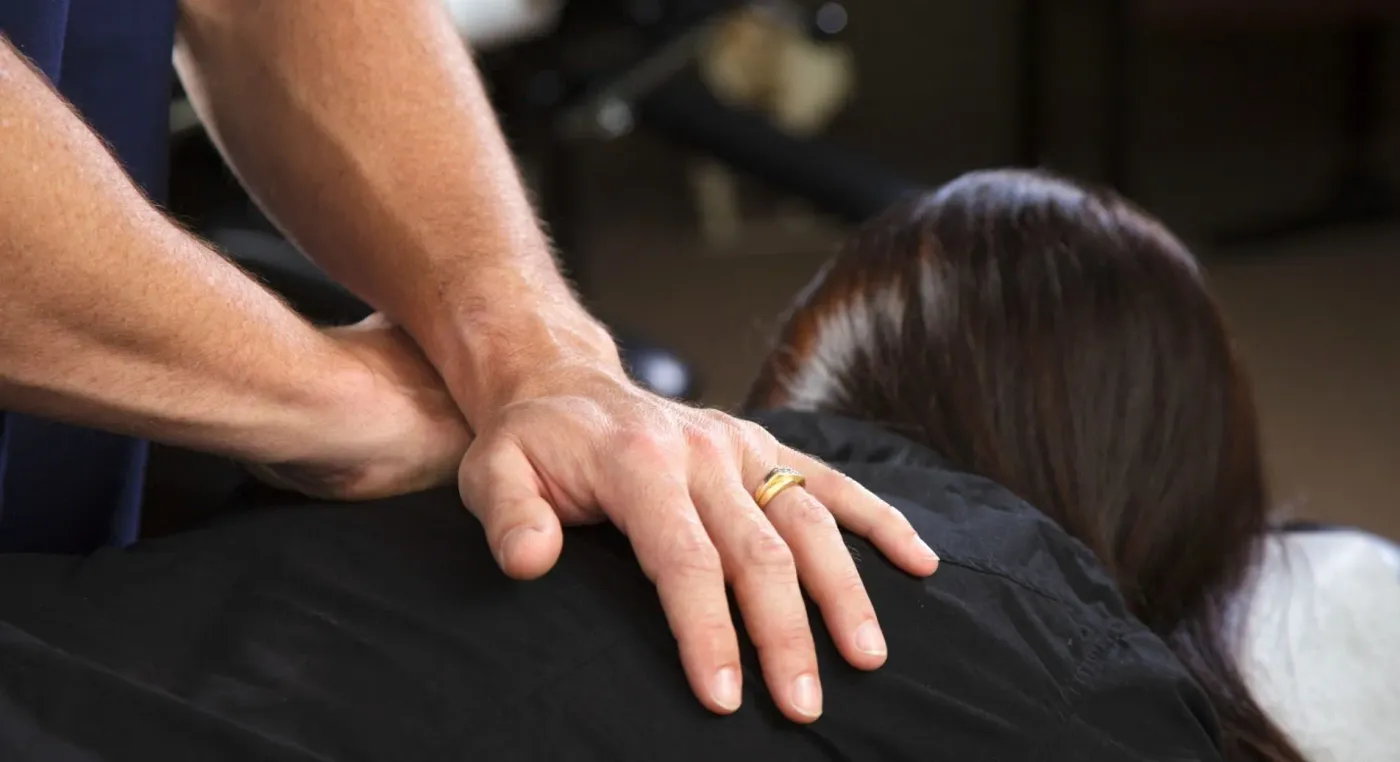
When a vertebral segment loses motion, the surrounding tissue thickens and the local muscles guard. Adjustments restore segmental motion, which lets the local tissue rehydrate and the muscles let go. Patients almost always report waking up looser within a few visits - not because adjustments are magic, but because we're addressing the actual mechanical reason the stiffness was there.
Three changes that work for almost everyone
Drink 8 to 12 ounces of water before bed. Sleep on your side with a pillow between your knees, or on your back with a pillow under your knees. And do five minutes of slow, controlled movement before you check your phone in the morning. We can show you exactly which positions and stretches will help your case during your next visit.