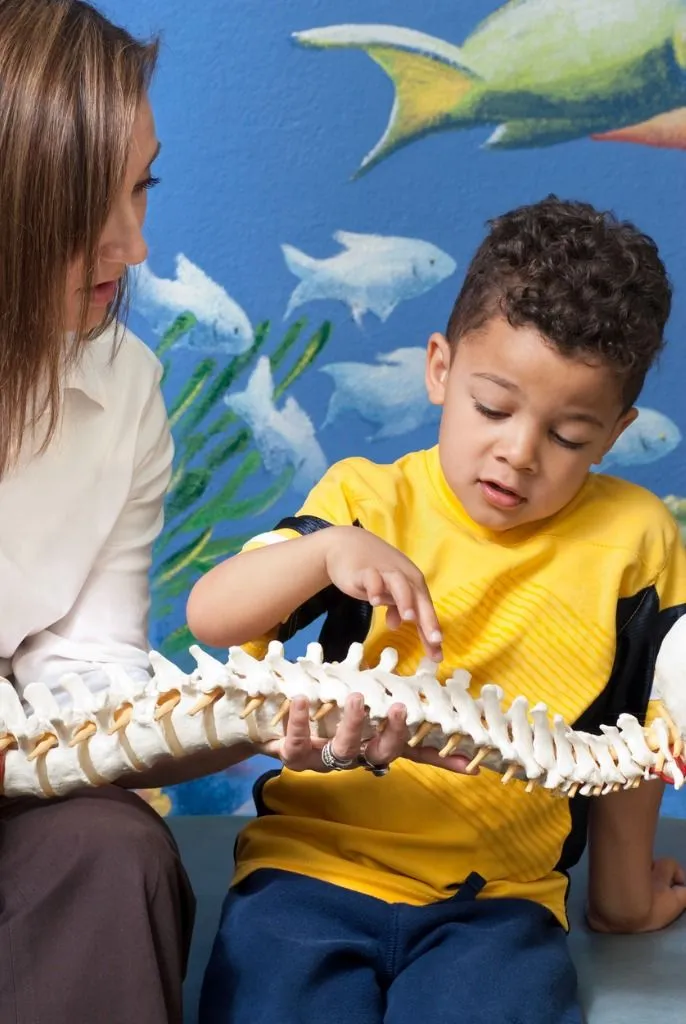

Chiropractic care for kids is not the same as care for adults. Pediatric chiropractic uses very light, age-appropriate pressure and gentle techniques that match a child's size, stage of growth, and comfort level. The goal is to support how the spine, nerves, and muscles work together so the body can move and function as smoothly as possible.
Many common childhood issues can be linked to how well the body is aligned and how the nervous system is coping with stress. When the spine or muscles are tight, stiff, or out of balance, kids may show it in their posture, mood, sleep, or behavior long before they can explain what hurts. A pediatric chiropractor in Doylestown can be one piece of your child's wellness team - alongside the pediatrician, dentist, and other trusted providers.
Midsummer is often a busy time for families. Kids are more active - traveling, going to camps, and getting ready for the next school year. It can be a smart time to check in on posture, growth, and development so your child heads into fall feeling comfortable and confident.
Subtle signs your child's body may be out of balance
Sometimes kids don't say, "My back hurts." Instead, they show us through how they sit, stand, or move. You may notice changes like:
- Rounded shoulders or a head that juts forward when standing.
- One shoulder or hip looking higher in photos.
- Uneven shoe wear, limping, toe-walking, or more tripping than usual.
- Complaints of "growing pains," leg aches, or a stiff neck after sports or carrying a backpack.
Behavior and mood clues
- Irritability or meltdowns that feel like they come out of nowhere.
- Trouble sitting still, constant wiggling in chairs, or avoiding certain activities.
- Difficulty relaxing or winding down at night, especially after busy days.
Summer can add a few extra triggers. Long car rides, amusement park days, sports camps, swimming, and roughhousing can all strain little bodies. If your child seems extra sore, tired, or out of sorts after these activities, it may point to alignment issues or nervous system stress that deserve a gentle chiropractic check.
When growing pains, headaches, and sleep struggles need a closer look
"Growing pains" are common, but not every ache should be brushed off. Typical growing pains usually happen in both legs, often in the evening, come and go, and improve with simple comfort measures at home.
Pain that sticks around, shows up in joints, or keeps your child from playing, sleeping, or enjoying normal activities may be linked to posture, alignment, or sports strain. In those cases, a closer look is wise.
Headaches to watch for
- More frequent headaches behind the eyes or at the base of the skull.
- Neck and shoulder tightness.
- Trouble focusing on schoolwork, books, or hobbies.
Forward head posture and tight neck muscles can affect how well nerves and blood vessels function in that area. A pediatric chiropractor looks at spinal alignment, muscle balance, and movement patterns that might be feeding into headache or focus issues.
Sleep signals
- Difficulty falling asleep or staying asleep.
- Tossing, turning, or seeming "restless" all night.
- Complaints of achy legs, back, or neck at bedtime.
By working to improve alignment and reduce tension, chiropractic care may support a calmer nervous system and more restful, restorative sleep, which becomes especially important before school routines begin again.
Clues from babies and toddlers that often get overlooked
Babies and toddlers cannot always tell us what is wrong with words, so we look for patterns in how they feed, move, and interact. With babies, red flags can include:
- Preferring to nurse or bottle-feed on just one side.
- Arching the back or pulling off frequently during feeds.
- Colic-like crying, excessive gassiness, or constipation.
Gentle pediatric chiropractic care uses very light pressure to support comfort and mobility in the neck, jaw, and spine, which may help these little ones feed and settle more easily.
Movement and milestones
- A strong dislike of tummy time.
- A head that always tilts to one side or flat spots on the back of the head.
- Delays or uneven patterns with rolling, crawling, or pulling to stand.
A pediatric chiropractor can assess the spine, muscles, and joints for restrictions that might be holding a child back from moving freely and meeting milestones in a balanced way.
For toddlers on the move, watch for:
- Frequent falls on the same side.
- Walking with feet turned in or out.
- Favoring one leg or side when climbing or running.
- Tantrums or sudden mood changes tied to getting in and out of car seats or strollers.
How a pediatric chiropractic visit actually works
Many parents feel more at ease when they know what to expect. A first pediatric visit often includes a detailed health history (birth, development, injuries, illnesses, current concerns), a gentle, hands-on exam of posture, spinal alignment, muscle tone, and nervous system responses, and time for your questions plus space to share what you notice about mood, sleep, learning, or sports.
Techniques are always tailored to your child's age and comfort. Pediatric adjustments use very light pressure, often no more than a fingertip touch. Chiropractors often show the pressure on a parent's hand first, explain each step in simple, calm language, and use toys, conversation, or play to help kids feel relaxed.
At Your Health Now, we also bring in functional medicine ideas like nutrition, gut health, and inflammation when they relate to your child's symptoms. When it makes sense, we coordinate care with pediatricians, therapists, and other providers so everyone is on the same page. Midsummer checkups can be a helpful time to address any lingering concerns before school and sports schedules fill up.
How to choose the right pediatric chiropractor near you
Finding the right fit matters. When you talk with a pediatric chiropractor, you might ask about training or extra study in pediatric care, experience with infants, toddlers, and school-age kids, and how they keep children safe, comfortable, and involved in their own care.
You want someone who works with kids regularly and has a calm, patient, child-centered approach. It should feel like your child's comfort and consent are respected every step of the way.
Communication that works
- Spends time listening to your story and concerns.
- Gives clear, honest answers in language you can understand.
- Invites you to be part of the plan with home tips or simple exercises when appropriate.
At Your Health Now, we see parents as partners. We value your observations about your child's posture, behavior, sleep, and school or sports performance, because you know your child best.
Practical details also matter to busy local families. Consider location, parking, and office hours that work with school, camp, and sports; a setup that works for siblings and family visits; and how to explain the visit to your child so they feel safe, informed, and empowered.
Support your child's health with gentle, targeted care
If you are looking for a trusted pediatric chiropractor in Doylestown, we are here to help your child move, sleep, and grow more comfortably. At Your Health Now, we tailor every visit to your child's age, needs, and comfort level so they feel safe and supported. Reach out today through our contact page to schedule a visit or ask any questions about what to expect.