When Mysterious Symptoms Do Not Add Up Any More
Persistent fatigue, brain fog, aches, and flu-like symptoms that never fully clear can make daily life feel like a blur. You may be trying to push through work, school, or family routines, but your body just will not cooperate. Rest does not fix it. Regular bloodwork looks “normal.” You start to wonder if anyone will ever find a real answer.
Chronic Lyme disease and mold illness are two of the most common root causes we see behind this kind of long-term, confusing illness. On the surface, they can look almost the same, which is why people often get misdiagnosed or only feel a little better with basic treatment. As a Lyme disease specialist in Villanova, PA, we use a mix of functional medicine, advanced testing, and hands-on chiropractic care to sort through overlapping symptoms and look for the true source of what your body is trying to tell you.
Chronic Lyme vs. Mold Illness Basics
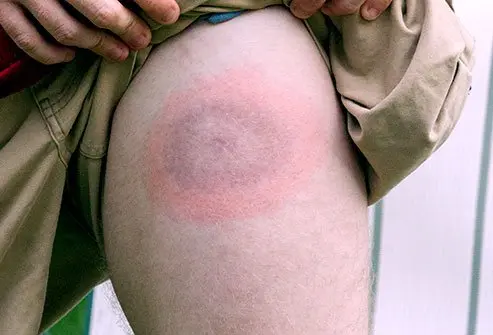
Lyme disease starts with a bite from an infected tick. Many people think they would always see a bullseye rash or remember the bite, but that is not always the case. When Lyme becomes chronic, it often means your immune system and nervous system are still struggling with either a lingering infection, leftover bacterial pieces, or a dysregulated immune response long after the first illness passed.
Mold illness is different. Many people know mold can affect allergies or asthma, but mold-related conditions can go much deeper. Long-term exposure to toxic mold in homes, workplaces, or schools can trigger a chronic inflammatory response in some people. This is often called CIRS, or chronic inflammatory response syndrome, and it can affect the brain, hormones, gut, and immune system.
Here is a simple way to think about where each often begins:
- Chronic Lyme often starts outdoors after tick exposure, even if you never saw the tick
- Mold illness usually starts indoors in a water-damaged or damp building
- Both can lead to full-body symptoms that do not match simple bloodwork
- Both can flare at certain times of year, like when humidity changes or you are outside more
In and around Villanova, we see both: wooded areas with ticks and older or damp buildings that may hide mold behind walls or under floors. That overlap is one big reason clear answers can feel so hard to find.
Symptom Clues a Villanova Specialist Looks For
Lyme and mold illness share fatigue, brain fog, pain, sleep issues, and mood changes. Still, there are patterns that gently point in one direction or the other.
Symptoms that lean more toward chronic Lyme may include:
- Migrating joint or muscle pain that shifts from place to place
- Nerve pain, tingling, or buzzing sensations in hands, feet, or face
- Facial droop or twitching that comes and goes
- Night sweats or feeling feverish without a clear cause
- Flares after physical exertion or after another infection
Clues that suggest mold illness instead can look like:
- Feeling clearly worse inside certain buildings or rooms
- Static shocks, feeling “electric,” or odd skin sensations
- Strong light, sound, or chemical sensitivity
- Chronic sinus congestion or post-nasal drip that never really clears
- Noticing symptoms ease when you travel or sleep away from home or work
When we meet someone with these types of symptoms, we slow down and ask about daily patterns:
- Where do you feel worst: home, work, school, car, outside?
- Do you feel different on vacation or after staying somewhere else?
- Have you ever had a visible water leak, musty smell, or known mold in your home?
- Do you spend time in tick-heavy areas like woods, tall grass, or leaf piles?
- When did symptoms start, and did they follow a flu-like illness, a move, or a big life change?
Putting this story together helps us form a working idea of what might be driving your symptoms before we order any tests.
Advanced Testing That Separates Lyme From Mold
Standard Lyme testing often looks for antibodies that your immune system makes against the Lyme bacteria. These basic tests can miss chronic or complicated cases, especially if your immune system is worn down. In our work with patients near Villanova, we may use:
- Expanded tick-borne disease panels that check for multiple Lyme markers
- Co-infection testing for other tick-borne infections that can ride along with Lyme
- Immune and inflammation markers that show how your body is responding overall
For mold illness, the testing is aimed less at the bug and more at your body's response to toxins. Helpful tools can include:
- Mycotoxin urine tests that look for mold-related toxins your body is trying to excrete
- Visual contrast sensitivity (VCS) screening, a simple eye test that can pick up brain and nerve effects of toxins
- Blood markers linked with chronic inflammatory response patterns
- Environmental testing of home or work spaces to check for moisture problems or hidden mold
Because ticks and water-damaged buildings are both present in the Villanova area, it is very possible for someone to have both chronic Lyme and mold illness at the same time. That is why accurate test selection and careful interpretation matter so much. We are not just checking boxes; we are looking for patterns that explain your day-to-day experience.
Personalized Treatment Paths for Lyme and Mold
Once we have a clearer idea of what is going on, treatment can be shaped in a more focused way instead of trying random options and hoping something sticks.
For chronic Lyme disease, common strategies can include:
- Antimicrobial herbs or medications chosen for your specific infections
- Support for mitochondria, the energy “engines” inside your cells
- Nutritional guidance to lower inflammation and support the immune system
- Chiropractic care to improve joint motion, spinal alignment, and nervous system stress
For mold illness, the focus shifts to both your body and your environment:
- Reducing or remediating exposure to mold and moisture when possible
- Using binders that help capture and remove certain toxins through the gut
- Supporting detox organs such as the liver, gut, and kidneys
- Targeted nutrients to help calm an overactive and inflamed immune system
At our functional medicine and chiropractic clinic serving the Villanova area, we also pay attention to pacing. Moving too fast with treatment can lead to strong “die-off” or detox reactions, where symptoms spike as your body tries to clear out infections or toxins. Seasonal shifts, like changes in humidity and indoor air, can also affect how your immune system feels, so we adjust plans as needed.
Your Next Steps with a Lyme Specialist in Villanova
If this sounds familiar, your next steps do not need to be big or overwhelming. Small pieces of information can give a specialist a much better starting point.
Here is a simple roadmap many people find helpful:
- Start a symptom log; include time of day, location, and what you were doing
- Note where symptoms feel worst, specific rooms, buildings, or outdoor areas
- Gather prior test results, imaging, and a list of medications and supplements
- Write down any known tick bites, rashes, moves to new homes, or water damage issues
If your fatigue, pain, or brain fog tend to flare when life gets busier, when you spend more time in certain buildings, or when the weather and humidity shift, it is worth looking deeper. At Your Health Now, we combine functional medicine testing with chiropractic care to help uncover whether chronic Lyme, mold illness, or both are driving what you feel and to create a plan that respects your body's pace and goals.