
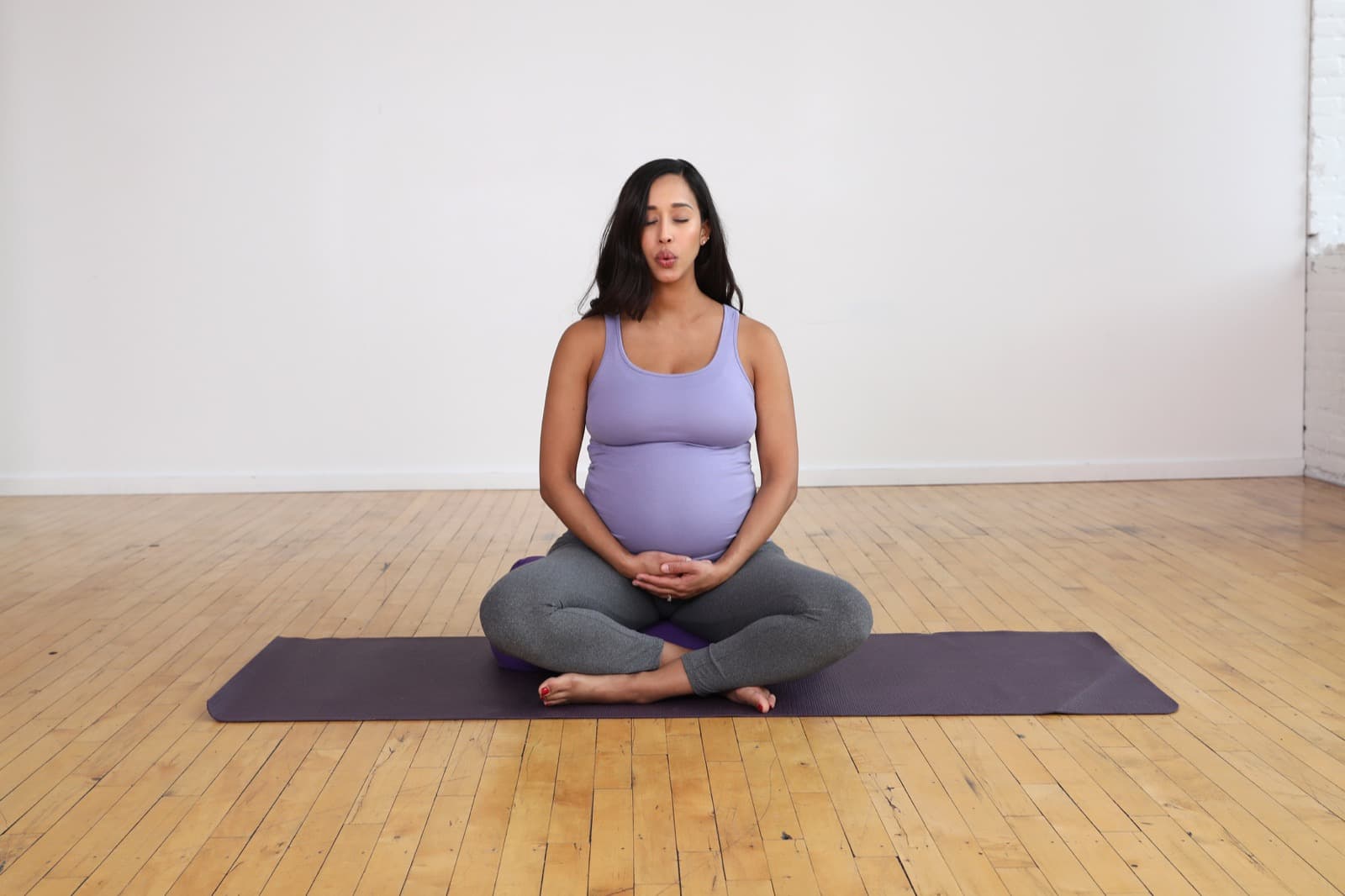
Regain Comfort and Confidence in Your Postpartum Body
Childbirth changes your body in big ways. Your pelvis, core, and posture all work differently after pregnancy, and that can leave you feeling sore, unsteady, and tired. When you add in long days and nights feeding and carrying your baby, even simple tasks around your home in Furlong can start to feel hard.
At our office, we support new moms with care that looks at the whole picture. We blend chiropractic care and functional medicine to check how your joints, muscles, and daily habits are working together. Our goal is to help you move with less pain, breathe better, and feel more like yourself again.
Postpartum chiropractic care is not a replacement for your OB/GYN, midwife, or pelvic floor physical therapist. It works alongside them. We do not treat emergencies or serious medical problems, and we do not promise quick fixes. What we can do is help your body move in a safer, more efficient way so your other care and natural healing can work better.
Understanding Postpartum Changes in Furlong Moms
During pregnancy, your body makes hormones that loosen your ligaments to help your baby grow and your pelvis open for birth. Whether you delivered vaginally or by C-section, those changes affect several key areas of your body, including:
- Pelvic joints and ligaments
- Abdominal and core muscles
- Hip, low back, and mid-back muscles
- The way you stand, walk, and lift
After birth, many moms notice low back or hip pain when getting out of bed, pelvic or tailbone soreness when sitting, and a wobbly or unstable feeling when walking or lifting the baby.
Common concerns we hear from local moms also include trouble with everyday movements such as getting in and out of the car with the car seat, carrying the baby up and down steps, rolling in bed or standing up from the couch, and sitting on hard bleachers or park benches.
A pregnancy chiropractor in Furlong, PA looks not only at your spine, but also at how you move in real life. We pay attention to the positions you use while:
- Feeding and burping the baby
- Lifting the stroller in and out of the trunk
- Bending over cribs, bassinets, and changing tables
- Returning to work or household tasks
We watch your posture, test your core and pelvic control, and look for patterns that might be keeping your body from healing well.
Pelvic Alignment After Birth: When to Seek Chiropractic Help
Not every ache means your pelvis is out of balance, but some signs suggest it needs more focused help. Red flags include:
- Sharp pain in the groin or pubic area
- Clicking, grinding, or popping in the front of the pelvis
- One-sided hip or buttock pain that keeps coming back
- Pain that worsens with standing, walking, pushing a stroller, or climbing stairs
Gentle, postpartum-safe chiropractic adjustments can:
- Reduce pressure on irritated pelvic joints
- Help muscles on each side of the body share the workload
- Improve how your hips, low back, and pelvis move together
- Make daily activities like babywearing and stroller pushing feel easier
In Furlong, many moms walk on grass, trails, or uneven driveways, carry babies at outdoor events, and load strollers in and out of cars. These everyday tasks can flare a pelvis that is already stressed from pregnancy and birth. When your joints are better aligned and your muscles are better supported, those same activities often feel less painful and less draining.
Core Recovery and Diastasis: Beyond Traditional AB Workouts
Diastasis recti is a separation of the abdominal muscles along the midline. After pregnancy, that gap can leave you feeling weak or “soft” through the middle, like your back works overtime to hold you up, and pressure or bulging in the belly with basic movements.
Trying to fix this with standard crunches or sit-ups can make things worse. At Your Health Now, we look deeper at how your core system is working. We assess:
- How you breathe and use your diaphragm
- The position of your ribcage and pelvis
- How your pelvic floor and abdominal muscles team up
From there, we design phased core recovery plans that respect:
- Healing timelines after vaginal delivery or C-section
- Your current energy level and sleep patterns
- Other demands on your body, like lifting older kids or returning to work
As a pregnancy chiropractor in Furlong, PA, we also coordinate with pelvic floor specialists when needed. That way, you have support for both internal muscle function and external alignment, instead of trying to figure it out alone with random online workouts.
Easing Neck, Shoulder, and Back Strain From Newborn Feeding
Newborn feeding is beautiful, but it is also very physical. Hours spent nursing or bottle-feeding can lead to rounded shoulders and a tight chest, forward head posture and neck strain, and achy mid-back pain and between-the-shoulder-blade pain.
Common posture mistakes during feeding include:
- Hunching your back to bring your body to the baby instead of lifting the baby to you
- Letting your shoulders creep up toward your ears
- Twisting your spine to the side instead of turning your whole body
- Sitting on a soft couch that sinks your hips lower than your knees
Simple ergonomic changes can help, such as:
- Using pillows to bring the baby up to your chest
- Resting your feet on a small stool so your hips and knees are level
- Switching feeding sides and positions often
- Choosing a firm chair with back support when possible
Chiropractic adjustments, gentle soft tissue work, and specific stretches can lower tension in your neck, shoulders, and upper back. When your joints move more freely and your muscles are less guarded, long feeds and nighttime wakeups usually feel more comfortable, and it is easier to keep good posture without thinking about it every second.
Taking the Next Step Toward Postpartum Relief in Furlong
One of the biggest myths we hear is that pain and stiffness are just the price of being a new mom. While some soreness can be normal, ongoing pain, pressure, or weakness is your body asking for help. The earlier you listen, the easier it usually is to change the pattern.
For a first visit at Your Health Now, it helps to think about:
- Where you feel pain and when it started
- What makes it better or worse in daily life
- Your birth story and any past injuries
- Your current feeding, sleeping, and movement routines
During a postpartum evaluation, we talk through your health history, check your posture and movement, and gently test key areas like your pelvis, spine, ribs, and core. From there, we suggest a plan that might include in-office chiropractic care, simple at-home movement habits, and, when helpful, telehealth functional medicine support to look at factors like energy, stress, and recovery.
With care that respects both your body and your new role as a parent, it is possible to feed, lift, and care for your baby with less pain and more confidence.