Stress is usually framed as a mental phenomenon, but it lives in your body. Tense traps, a clenched jaw, shallow breathing, a tight low back - these aren't side effects of stress, they are stress, and they create a feedback loop that keeps the nervous system in a guarded state.
The autonomic nervous system, simplified
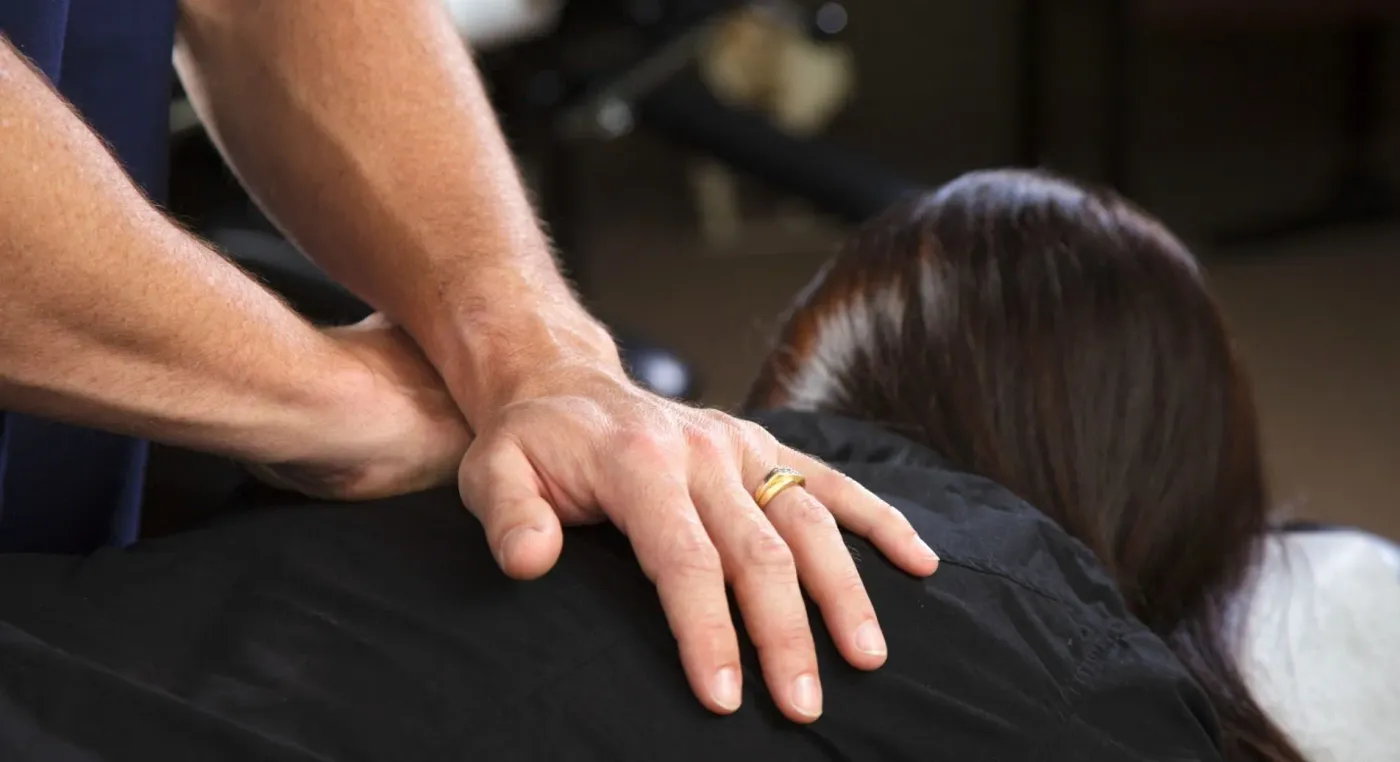
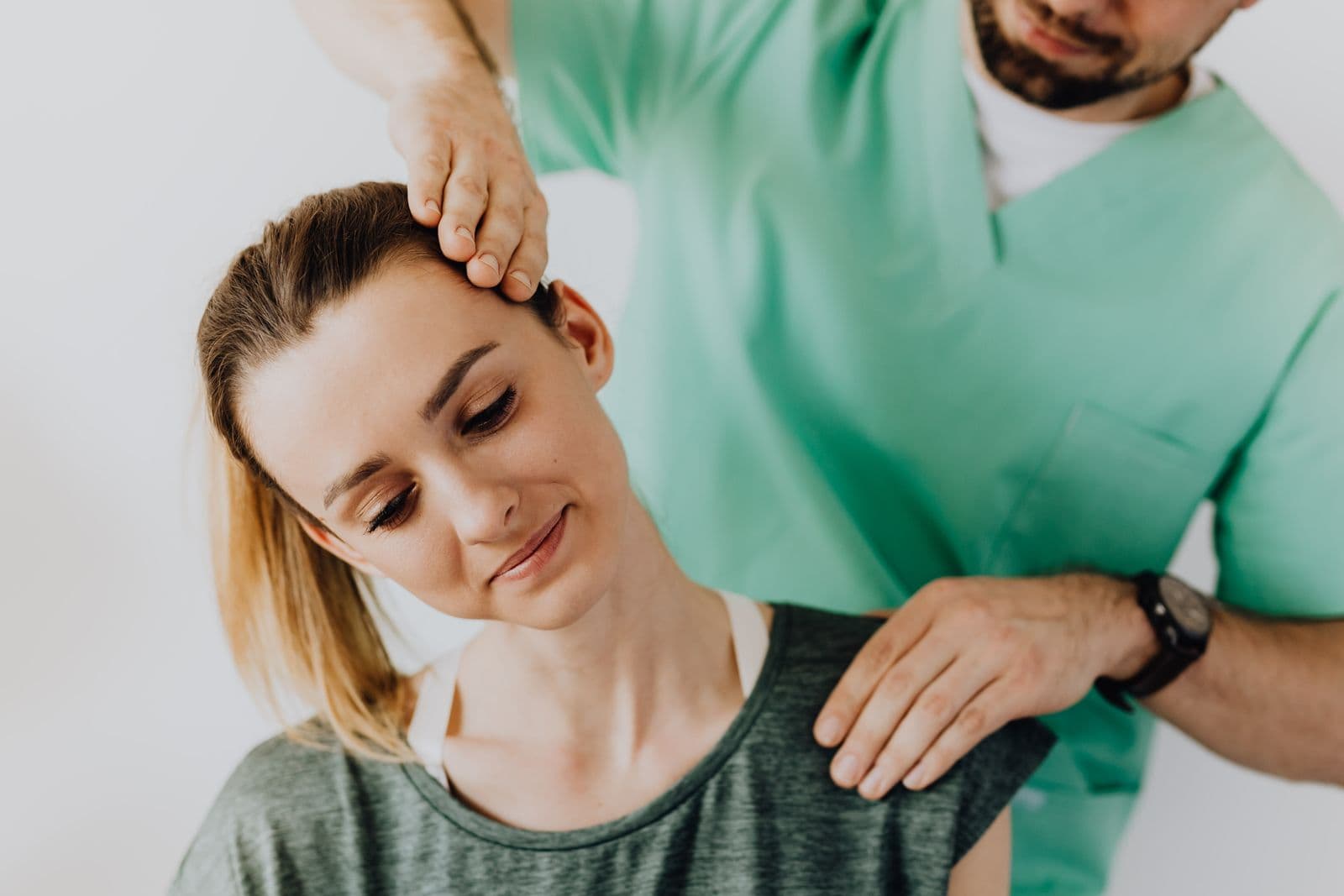
Your sympathetic nervous system handles 'go' (alert, fight, flight). Your parasympathetic system handles 'rest, digest, recover.' Modern life biases most adults toward sympathetic dominance. Adjustments to the cervical and upper thoracic spine can help shift that balance because so many of the regulatory pathways pass through that region.
What our patients usually notice
- Easier, deeper breathing within minutes of an adjustment.
- Lower resting tension in the shoulders and jaw.
- Better sleep quality on the night of treatment.
- More resilience to a stressful day, not the absence of stress.
“I didn't realize how clenched I'd been until I felt what un-clenched actually feels like.”
What you can do today
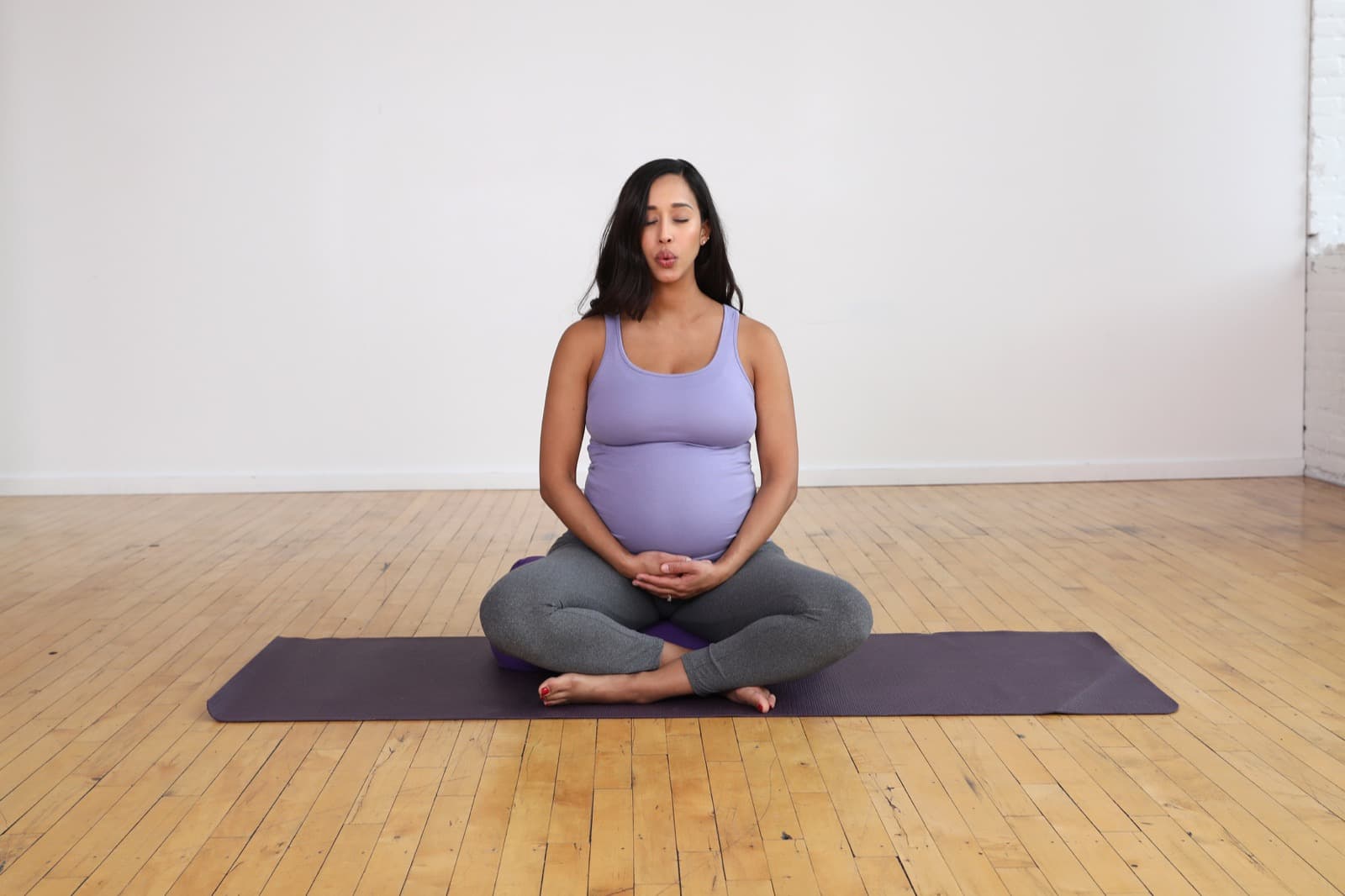
Try a four-second inhale, six-second exhale, repeated for two minutes. Lengthening the exhale is one of the fastest ways to nudge the nervous system toward parasympathetic. Pair it with a few thoracic extensions over a foam roller and you've given yourself a meaningful stress reset in under five minutes.